
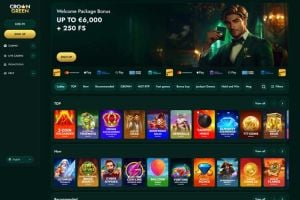
Changing phones, tablets or computers should not require creating a second gambling account. For Crowngreen users, the practical issue is confirming that the new device is secure, using the existing email and password, and knowing what to do if an additional check appears. The crowngreen casino login page may be useful as an information point, but access, eligibility and available account functions should be confirmed against the live site. The steps below focus on account continuity rather than games, offers or payment choices.

Check the new device before entering account details
Begin with the device itself rather than the casino account. Install operating-system updates, update the browser and remove any unfamiliar extensions or applications. Use a private connection that you trust, particularly if you are travelling or using a shared network. Public Wi-Fi is not automatically unsafe, but it is a poor setting for entering sensitive details if you cannot confirm the network is genuine.
Next, check that the web address is correct before typing an email address or password. Avoid following login pages delivered through unsolicited messages, social media adverts or pop-ups. A convincing imitation can collect credentials even when the device appears normal. If the browser displays a warning about the connection, certificate or website, stop and investigate instead of bypassing the warning.
Make sure the device is protected by a passcode, fingerprint lock or another screen-lock method. This matters if the device is lost after the account has been accessed. If the device is shared, do not save the password in the browser and do not leave the account open. A separate browser profile or private browsing window can reduce local history and autofill exposure, although it does not replace a secure password.
Use the existing account, not a replacement registration
On the new device, use the same email address and password associated with the existing account. The published account information describes sign-in through an email address and password, so changing devices should not normally mean opening another profile. Enter details manually if you are unsure whether the browser has inserted an old or incorrect email address.
Creating another account to bypass a failed login can create a more serious problem. The stated terms restrict users to one account per person and prohibit multiple accounts. A second registration may also separate account history, create verification complications or be treated as a breach of the operator’s conditions. If the original account cannot be opened, resolve that account rather than attempting to work around it.
After signing in, review the account information carefully without making unnecessary changes. Check whether the displayed email address is correct and whether any security or verification message is waiting. Do not assume that an account visible on one device has the same permissions on another; jurisdiction, identity checks and current site controls may still apply. For users in New Zealand, the published material is inconsistent about market acceptance, so live eligibility requirements remain decisive.
When a recovery code is the safest route
If the password is forgotten or rejected, use the displayed recovery process rather than repeatedly guessing. The described recovery route asks for the account email address and sends a login or reset code. Once received, enter the six-digit code through the relevant account page, then choose a new password that is not reused on email, banking or shopping accounts.
Keep the recovery email account secure while completing the process. Read the message carefully, check that the request was genuinely initiated by you and avoid sharing the code with anyone claiming to be support. A real support representative should not need the complete password or a one-time recovery code. If the email does not arrive, check spam and confirm that the correct address was entered before requesting another code.
Recovery may not be immediate if the account requires additional verification. The available information says identity checks can be requested, including before deposits or withdrawals, but it does not establish a universal document list or processing time. Follow only the instructions shown through the official account or support channel, and avoid sending identity documents through an unverified message. Never create a second account because the recovery email is delayed.
What changes when the old device is unavailable?
If the old phone or computer has been lost, stolen or sold, treat the situation as a security incident. Change the account password from a trusted device, change the password for the associated email account if it may also be exposed, and remove saved passwords from the missing device through the relevant operating-system or browser account where possible.
Review recent account activity, profile details and any unfamiliar changes. Pay particular attention to an altered email address, unexpected verification request or activity that you do not recognise. Do not attempt to fix unexplained account changes by opening a new profile. Contact the stated support channel and explain that the previous device is no longer under your control, while keeping records of the dates and actions taken.
If the old device is still available, sign out before handing it to another person or disposing of it. Remove browser data and perform a proper factory reset where appropriate. A simple deletion of the browser shortcut is not enough. The same principle applies to tablets and shared computers: access should be ended at the device level as well as at the website level. New Zealand users can also consult New Zealand’s official cyber-security guidance for general advice on protecting online accounts.
Confirm access without rushing into account activity
Once the new device accepts the existing credentials, pause before depositing, withdrawing or changing personal details. Confirm that the account name and email look familiar, the page is secure and no unexpected message asks for urgent action. Logging in successfully does not confirm that every account function is available in your location or that current terms have remained unchanged.
Account verification can affect access to certain activities. The published information states that proof of identity and other documents may be requested, and withdrawals can be held pending further checks. This is separate from changing devices. A new browser or phone should not be treated as proof that verification has been completed, nor should a successful login be taken as confirmation of New Zealand eligibility.
Finally, record the secure recovery method for future use without writing the password in an exposed note. Keep the email account protected, use a unique password and sign out from devices that are not private. If access remains blocked, contact support through the details shown on the live site and ask for help with the existing account. Avoid relying on old reviews for current login, support or jurisdiction information.
Questions about changing devices
Do I need to register again on a new phone?
No. The available account terms describe one account per person, so a new phone should be treated as a new access device rather than a reason to register again. Use the existing email and password. If those details fail, use the recovery route or contact support instead of creating a second profile.
What if I cannot receive the login code?
Check that the correct email address was entered, inspect the spam folder and request a fresh code through the account page. Do not share a code with another person. If messages still do not arrive, support may need to confirm account ownership or request additional verification before restoring access.
Does successful login confirm that I can use the account?
No. A successful sign-in only shows that the credentials were accepted. Eligibility, identity checks, available functions and jurisdiction restrictions can still apply. The published information is inconsistent about New Zealand access, so review the current site terms and registration controls before attempting account activity.