
The unwritten rules of professional etiquette
Thank you for sharing this post as it would be really helpful for writing a professional email is really important when you are doing some work related email no deposit bonus slots empire. As there is a lot of difference between formula email and informal email
3) DON’T use business e-mail for personal or social matters. It’s the same as stealing and considered very bad form. If you must e-mail friends, obtain a personal account. By law, all messages are considered property of the corporation, and you don’t know who might be reading them. By the same token…
1) Always include a subject, even when replying to a message that arrived without one. Your readers must know why you’re writing. Omit the subject and your e-mail may be ignored. Make sure your subject reflects what is in the email.
10 rules of online etiquette
Plus, many of the worst computer viruses in history have been circulated via mass emails. So don’t open an email or social media message from someone you don’t know. If the message contains a download, double-check with the sender before opening it to make sure it wasn’t sent by someone pretending to be them.
Netiquette is important for a number of reasons. Following netiquette helps enhance relationships with people you care about while protecting your professional reputation. Practicing online etiquette can even reduce cyberbullying. Proper online information-sharing strategies are essential to protecting other people’s privacy and safeguarding your sensitive information.
“Rather than asking relevant questions or giving clear answers, students might use the chat box to ask questions irrelevant to the discussion, or to talk about an unrelated topic,” says Erin Lynch, senior educator at Test Innovators. The class chat box isn’t an instant messenger like you’d use with friends. Treat it like the learning tool it’s meant to be, and try not to distract your classmates with off-topic discussions. Use it instead to ask relevant questions and participate in class when the professor asks.
When it feels like you’re being left out, it can lead to both negative emotions and a sense of lost control. While these effects can affect anyone, some research suggest that they tend to impact women with greater frequency.
As you might have guessed, netiquette is essentially rules and norms for interacting with others on the internet in a considerate, respectful way. We enlisted several experts to set some guidelines to make sure your online manners are up to par.
Most of us are familiar with spam calls or spam emails from companies we didn’t give permission to contact us. But we can also get spammed by family and friends, such as when they repeatedly contact us asking to take part in their latest business venture.
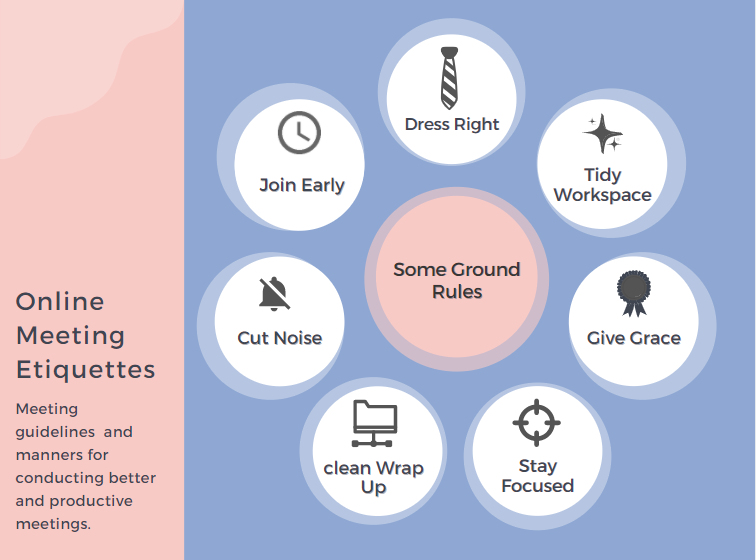
Where would an employee find an employers rules of etiquette
Workplace etiquette refers to the set of unwritten rules and expected behaviors that govern how individuals interact in a professional setting. It encompasses everything from communication style and punctuality to how employees handle conflict, respect cultural differences, and contribute to a positive team environment.
According to Apollo Technical, 86% of employees and executives think a lack of effective collaboration and communication is the leading cause for errors in the workplace. Learn how to speak effectively through not only words, but body language, tone, word choice and other nonverbal cues with Pryor Learning’s award-winning communication skills training.
Your professional image has exceptional value in the corporate setting. Not only does a professional outfit give you more confidence, but it also helps boost your growth and instills brand loyalty. Having a dress code demonstrates employee equality. However, many companies do not have it, but you should still try to get smartly dressed.
If it feels like professional behavior is becoming optional or worse, forgotten you’re not alone. Resume Builder reports that 45% of companies have already launched workplace etiquette training, and another 18% joined them by 2024. Why? Because the basics respect, punctuality, clear communication aren’t being practiced consistently.
Unlike company policies or technical skills, etiquette is often learned through experience or, unfortunately, through mistakes. That’s why it’s increasingly important for organizations to proactively train employees on workplace etiquette as part of their development programs.